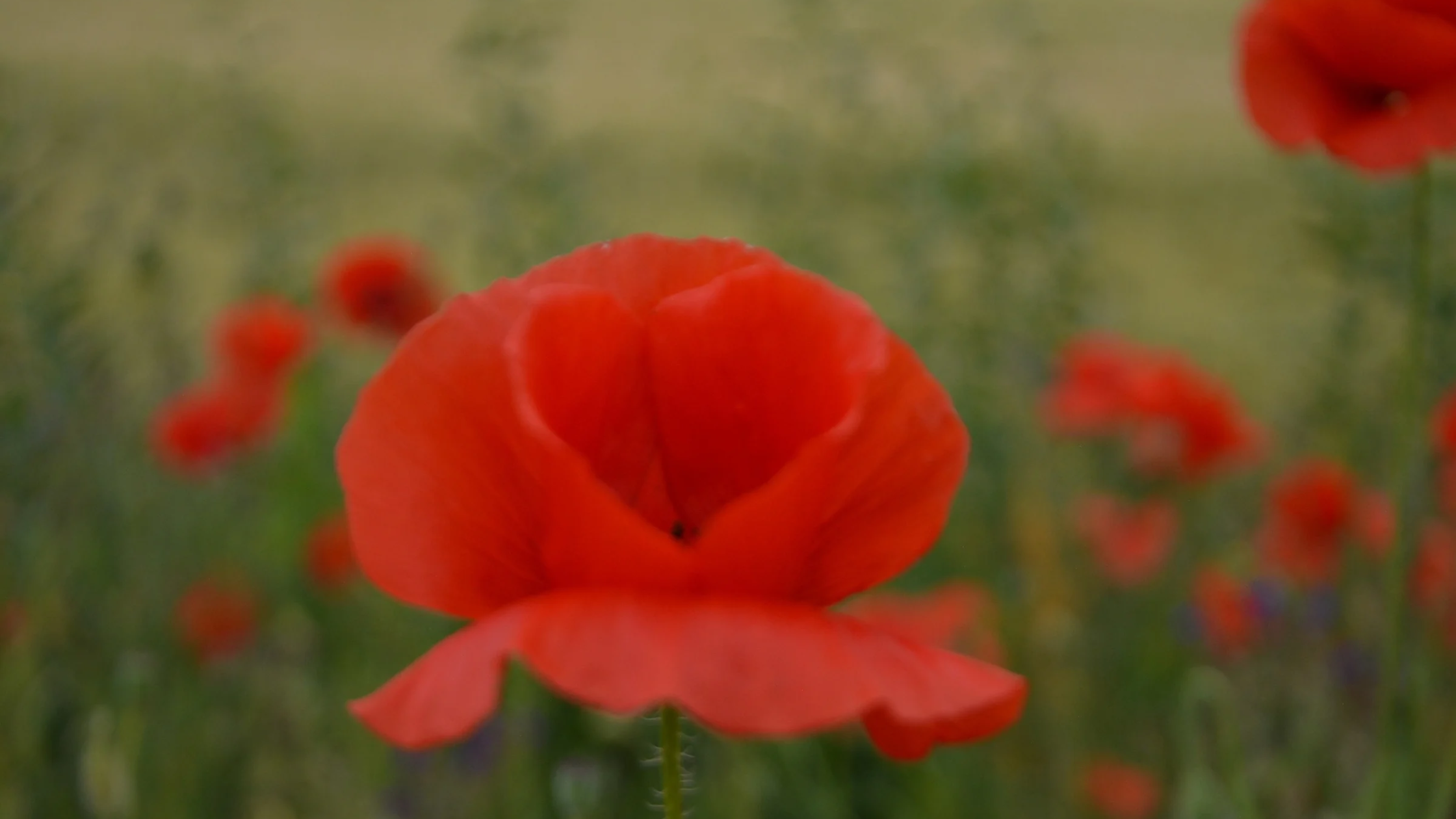
Each November, poppies begin appearing on coats and lapels, and on Remembrance Day, many of us pause in silence to honour those who served and sacrificed for the freedoms we enjoy today.
“Lest we forget” is more than a familiar phrase. It is a promise to remember, to honour and to learn.
At the eleventh hour of the eleventh day of the eleventh month, millions of people around the world pause together. It is a powerful reminder that remembrance is not something we do alone. It connects us to our shared history, to one another and to the lessons we are responsible for carrying forward.
Those three words also hold wisdom for our personal lives.
Remembering allows us to learn, grow and honour where we have come from. But remembering does not mean we must continue carrying every burden from the past.
We can keep the lesson and release the weight.
Remembering Is Not the Same as Reliving
History—whether it belongs to the world or to our own lives—contains wisdom we cannot afford to lose. It can show us what to repeat, what to avoid and how far we have come.
But there is an important distinction between remembering and reliving.
When we remember with purpose, we look back to learn, honour and carry the wisdom forward. When we dwell, we may find ourselves replaying the experience, revisiting the regret and feeling the pain again and again.
One builds wisdom. The other can keep us emotionally tied to a chapter that has already ended.
Remembering does not require us to deny what happened or pretend it did not hurt. It allows us to acknowledge the experience while choosing a more empowering way to carry it.
What the Trees Teach Us About Letting Go
Consider the trees as they prepare for winter.
They do not simply discard their leaves. Before letting them fall, trees draw valuable nutrients back into their branches and roots, storing what they need for the season ahead.
As the green chlorophyll fades, the reds, oranges and golds that were present all along begin to appear. The leaves eventually fall, break down and return their nutrients to the soil, helping to protect and nourish the roots below.
The tree keeps what sustains it and releases what it no longer needs.
We can learn to do the same.
Our experiences contain lessons, strength and wisdom worth keeping. But the guilt, resentment, regret, limiting beliefs and outdated stories attached to those experiences may no longer serve the person we are becoming.
Letting go does not erase our history. It simply creates space for us to move forward with greater freedom.
Finding the Lesson Without Taking It Personally
I learned this during my career as a film and television producer.
Whenever a film or show I had produced was released, I would excitedly invite friends and family to watch. Often, the response was…crickets.
At first, I felt deflated. I had poured so much of myself into the work, and I wanted the people closest to me to share in the excitement.
Over time, I realized that everyone had their own busy lives, interests and priorities. Their response had nothing to do with the value of the work or what I had accomplished.
If I had continued taking it personally, I might not have kept going.
Instead, the experience became a valuable training ground. It taught me to step back, remain objective and look for the lesson rather than allowing someone else’s response to determine the value of what I had created.
It is amazing how much we can learn when we stop asking, “What does this say about me?” and begin asking, “What is this here to teach me?”
Release Old Ways of Thinking, Being and Acting
In my Standing Firm program, we explore how to create T.R.U.E. beginnings. The “R” speaks directly to this work:
Release old ways of thinking, being and acting.
Releasing does not mean forgetting. It does not mean excusing harmful behaviour, dismissing our feelings or pretending an experience did not matter.
It means recognizing when a belief, habit or story no longer fits who we are becoming.
Take a moment to ask yourself:
- What experience from my past am I still carrying as a burden?
- What did that chapter teach me that I am grateful to understand now?
- Is there a more empowering way to view one of my darkest moments?
- Which old way of thinking, being or acting am I ready to release?
- What wisdom do I want to carry forward?
You are allowed to remember the lesson without continuing to carry the full emotional weight of the experience.
Discovering the Strength That Was There All Along
I recently celebrated the completion of another Standing Firm When Your World Is Shaking program.
Week after week, I watched a group of courageous women revisit some of the most difficult moments of their lives—not to dwell in them, but to discover what those experiences had taught them and how they had grown.
Together, they noticed the ways they had sometimes looked outside themselves for healing through external validation, busyness or constant activity. As they gently turned inward and allowed themselves to acknowledge emotions they had previously pushed aside, something beautiful happened.
They discovered resilience, strength, clarity and peace that had been there all along.
One of the ideas we explored was that the meaning we assign to a circumstance shapes how we continue to experience it.
As Shakespeare wrote in Hamlet:
“There is nothing either good or bad, but thinking makes it so.”
We cannot always choose what happens to us, but we can examine the story we continue telling ourselves about it.
When we choose a more empowering interpretation, the past can begin to loosen its emotional grip. Its wisdom remains, but the burden becomes lighter.
That is “lest we forget” at its most healing.
We do not forget what happened. We remember what it taught us.
Try the Remember and Release Challenge
The T-square exercise is a simple way to look at a difficult experience more clearly.
Take out your journal and draw a large “T” across the page, creating two columns.
On the left: Name the burden
Write about an experience that still feels heavy. Briefly describe what happened and how carrying it has affected you.
You might include the regret, disappointment, resentment, fear or belief that remains attached to it.
On the right: Name the lesson
Write down everything the experience taught you.
Consider:
- What strength did I develop?
- What boundary did I learn to establish?
- What insight do I now carry?
- What do I understand about myself that I did not know before?
- How did this experience prepare me for something that came later?
- What would I want someone else to learn from my story?
When you are finished, look at the right-hand column and quietly say:
“Thank you for the lesson. I release the burden, let go of the weight and welcome greater lightness.”
You may not feel completely free of the experience after one exercise. Releasing is often a gradual process rather than a single decision. What matters is your willingness to begin separating the wisdom you want to keep from the weight you are ready to put down.
What Will You Carry Forward?
Remembrance asks us to reflect not only on what came before, but also on what we will do with what we have learned.
The Haudenosaunee Seventh Generation Principle encourages us to consider how the choices we make today may affect generations to come. This offers a meaningful companion to “lest we forget.” We honour those who came before us by learning from the past, and we honour those who come after us by choosing thoughtfully in the present.
What lesson from your own life would you want to pass forward?
What wisdom could help someone else feel less alone, make a different choice or recognize their own strength?
Our experiences do not have to remain only sources of pain. When we are ready, their lessons can become part of the wisdom we offer others.
Making Room for What Comes Next
The poppy has served as a symbol of remembrance for more than a century, inspired by the poem In Flanders Fields, written in 1915 by Canadian physician Lieutenant-Colonel John McCrae.
Red poppies bloomed across the battlefields of Flanders, even in ground torn apart by war. Today, they honour those who gave their lives and remind us that new life can emerge after even the most devastating seasons.
As McCrae wrote:
“To you from failing hands we throw
The torch; be yours to hold it high.”
Our own lives also hand us a torch of wisdom.
Every chapter we have lived—the joyful ones and the painful ones—has shaped us and prepared us for what comes next. We do not need to forget, erase or numb our history. We simply get to choose what we will carry forward.
Remember with gratitude.
Release with grace.
Keep the wisdom, and trust that what you lay down is creating space for something new.
This is your amazing life, and you get to make it great.
Victoriously Yours,
Victoria
